0
0
Sepetim
![]()

Sepetim
{{ P.TITLE }}
{{ P.SUPPLIER_PRODUCT_CODE }}
{{ P.COUNT }} {{ P.STOCK_UNIT }}
{{ vat(P.PRICE_NOT_DISCOUNTED, P.VAT) }} {{ P.TARGET_CURRENCY }}
{{ vat(P.PRICE_SELL, P.VAT) }} {{ P.TARGET_CURRENCY }}
{{ format(P.PRICE_NOT_DISCOUNTED) }} {{ P.TARGET_CURRENCY }} +
{{ format(P.PRICE_SELL) }} {{ P.TARGET_CURRENCY }} +
Sepetinizde ürün bulunmamaktadır


Hesabım
Sepetim
Yukarı Çık
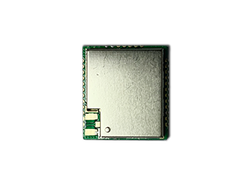
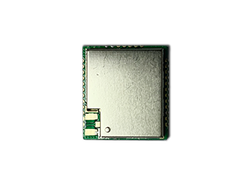
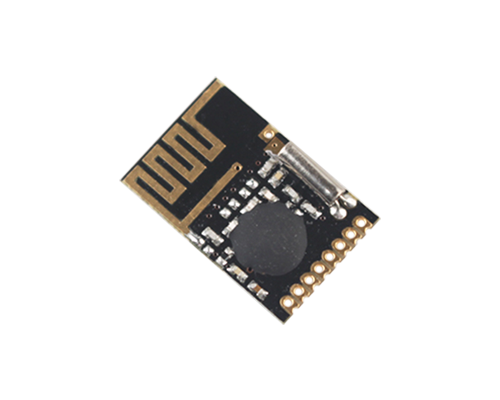
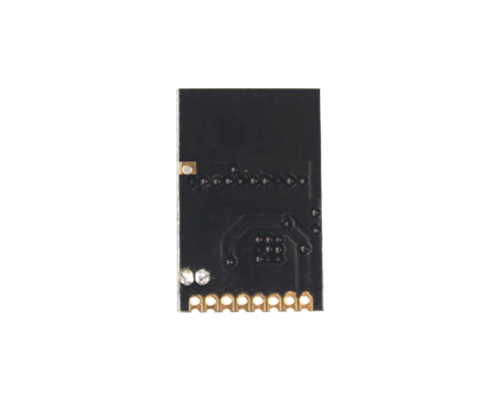
NF-04-MI
NF-04-MI 2.4G Modül
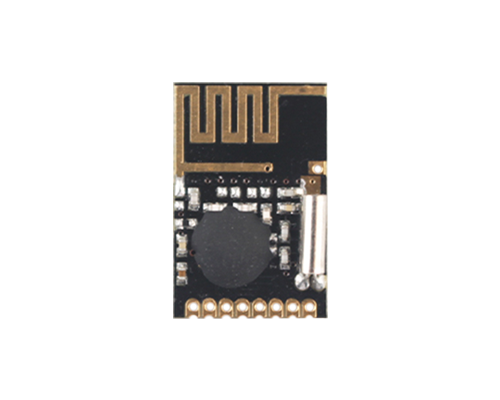
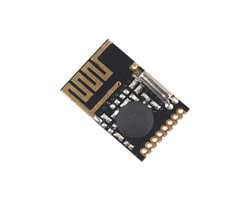
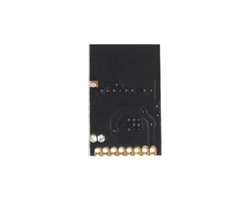
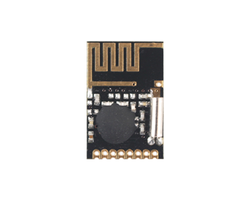

ÜRETİCİ KODU
:
NF-04-MI KOPYALA
ÜRETİCİ
:
Ai-Thinker KOPYALA
TEDARİK SÜRESİ
:
1 - 3
İş Günü
PAKETLEME TİPİ
:
Cut Tape (CT)
STOK DURUMU
:
STOKTA VAR

TEDARİK SÜRESİ
1 - 3 İŞ GÜNÜ

KDV Dahil Birim Fiyat
Satış fiyatına tüm gümrük, yurtdışı kargo ve vergi masrafları DAHİLDİR.
216,68
TL
3,66 USD +KDV
Adet
Gelince Haber Ver
Ürün Yurtiçi / Yurtdışı stoklarımıza girdiğinde sizi haberdar edelim.
Tahmini Kargoya Teslim Tarihi: 14.10.2026 - 16.10.2026
Hafta sonu ve resmi tatil tarihlerinde, sonraki ilk iş gününde kargoya verilir.
Miktar
Birim Fiyat
1
216,68
TL
3,66 USD
+KDV
10
187,41
TL
3,17 USD
+KDV
45
170,81
TL
2,89 USD
+KDV
135
159,98
TL
2,70 USD
+KDV
270
153,63
TL
2,59 USD
+KDV
540
147,65
TL
2,49 USD
+KDV
1035
142,34
TL
2,40 USD
+KDV
5040
130,62
TL
2,21 USD
+KDV
Yüksek Adetli Alımlarınız İçin Lütfen Teklif İsteyiniz.
NF-04-MI - AI-Thinker
Modül kullanım sırasında ısınıyor. Ne yapmam gerekiyor?
- Güç kaynağı voltajı. Lütfen 1,8V ile 3,6V arasında olduğundan emin olmak için güç kaynağını kontrol edin. Eğer 3.6V'u aşarsa, modül hasar görecektir;
- Kararlılık. Güç kaynağının kararlılığını kontrol edin, güç kaynağı çok fazla dalgalanmamalıdır;
- Anti-statik. Güç kaynağının kurulumu ve kullanımı sırasında anti-statik çalışmayı sağlayın, yüksek frekanslı cihazlar elektrostatik hassasiyete sahiptir;
- Modül yeniden akış lehimlenemez ve dalga lehimlenemez, aksi takdirde modüle zarar verir.
İletişim mesafesi kullanım sırasında ideal gereksinimleri karşılamıyor. Sorun nerede ortaya çıkabilir
- Karşılaşılan engeller. Fiziksel özellikleri nedeniyle, 2.4G frekans bandı zayıf penetrasyona sahiptir. Düz hat iletişiminde bir engel olduğunda, iletişim mesafesi büyük ölçüde kısalacaktır;
- Parazit kaynakları. Aynı frekans bandındaki sıcaklık, nem ve elektromanyetik dalga paraziti, iletişimin paket kaybı oranında bir artışa yol açacaktır;
- Anten 50Ω empedanslı kablo kullanır. Antenin yakınında metal bir nesne varsa veya modül koruyucu kılıfın içine yerleştirilirse, sinyal zayıflamasına neden olur;
- CE ayağı. Program yapılandırmasında, verici cihaz yüksek bir seviyede tutulmaz, bu da bir cevap sinyali alırken hassasiyetin azalmasına neden olur;
- İletim gücü. Kayıtları yapılandırırken, iletim gücü yapılandırması ne kadar yüksek olursa, iletim mesafesi o kadar uzak olacaktır;
- Başlatma hızı. Yapılandırılan iletim hızı çok yüksekse, iletim mesafesi nispeten azalacaktır;
- Düşük voltaj. Güç kaynağı voltajı 3,3V'tan düşüktür, bu da modüle yetersiz güç beslemesine neden olur ve modülün iletim gücünü nispeten etkiler.




7.924,20
TL
133,85 USD +KDV